Team offsite: definition, benefits and how to plan one | Tero
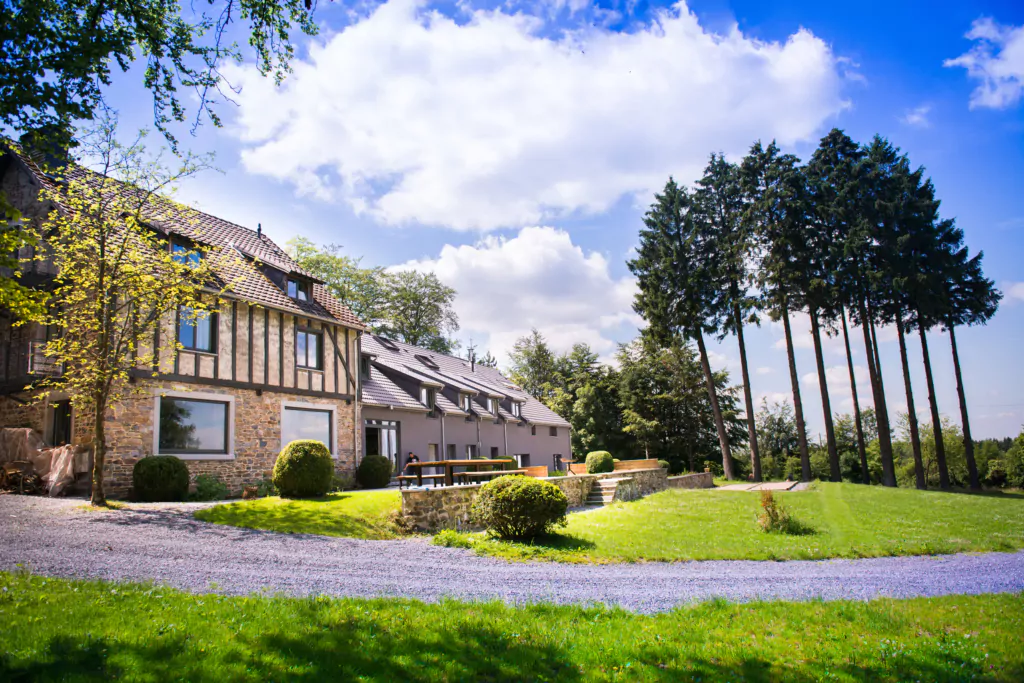
Team gathered during a Tero team offsite in the heart of nature

Team offsite: step outside the usual to move forward together

Much more than team building, a team offsite combines strategic thinking, a shared experience and good company to help a team reconnect and shape what comes next.

Practical guideBy Savanah Raineri7 min read

What is a team offsite?

A team offsite is a work trip held away from the usual workplace. It gives a team the space to step back, work on important topics and strengthen relationships. It usually combines thinking sessions, a group activity, shared meals, informal time and, often, an overnight stay.

It is also called a company retreat, a team retreat or a residential seminar.

  • Align the team around a shared direction
  • Generate new ideas
  • Clarify roles and priorities
  • Reconnect a hybrid team
  • Welcome new colleagues
  • Celebrate or close a chapter

Offsite, seminar or team building?

A team offsite can include a seminar and a team-building activity, but it goes further: it turns these moments into a shared experience, extended by meals, the evening and sometimes an overnight stay.

Comparison of team event formats: objective, duration and content.
FormatMain objectiveDurationContent
Team buildingStrengthen bonds through an activityA few hours to a dayGame, challenge, workshop or sports activity
SeminarInform, train or decideHalf a day to several daysPresentations, meetings and workshops
Company partyCelebrate and say thank youAn evening or a dayMeal, entertainment and festivities
Team offsiteWork, reconnect and create a shared memoryOne day or moreWork, activity, meals, free time and accommodation

In practice, the right format depends less on what it is called than on the change you expect when the team gets back.

Why meeting in person can make the difference

An offsite does not automatically create cohesion. Several studies do, however, show the value of meeting in person, having a structured objective and working in an environment with fewer distractions.

01

Meeting in person can boost idea generation

A study across five countries found that pairs working over video call generated fewer creative ideas than pairs working face to face. No comparable disadvantage was found when it came to selecting ideas.

Brucks & Levav, Nature, 2022 Read the study in Nature ↗
02

Team building works better when it is targeted

A meta-analysis found a moderate positive effect of team building, particularly on how people feel about the team and on work processes. Goals, roles, relationships and problem solving are four key levers.

Klein et al., Small Group Research, 2009 Read the meta-analysis ↗
03

Disconnecting opens up a different mental space

One study measured better performance on a creativity test after four days in nature without technology. The authors note they cannot separate the effect of nature from the effect of disconnecting.

Atchley, Strayer & Atchley, PLOS ONE, 2012 See the PLOS ONE study ↗

Team offsites at Tero

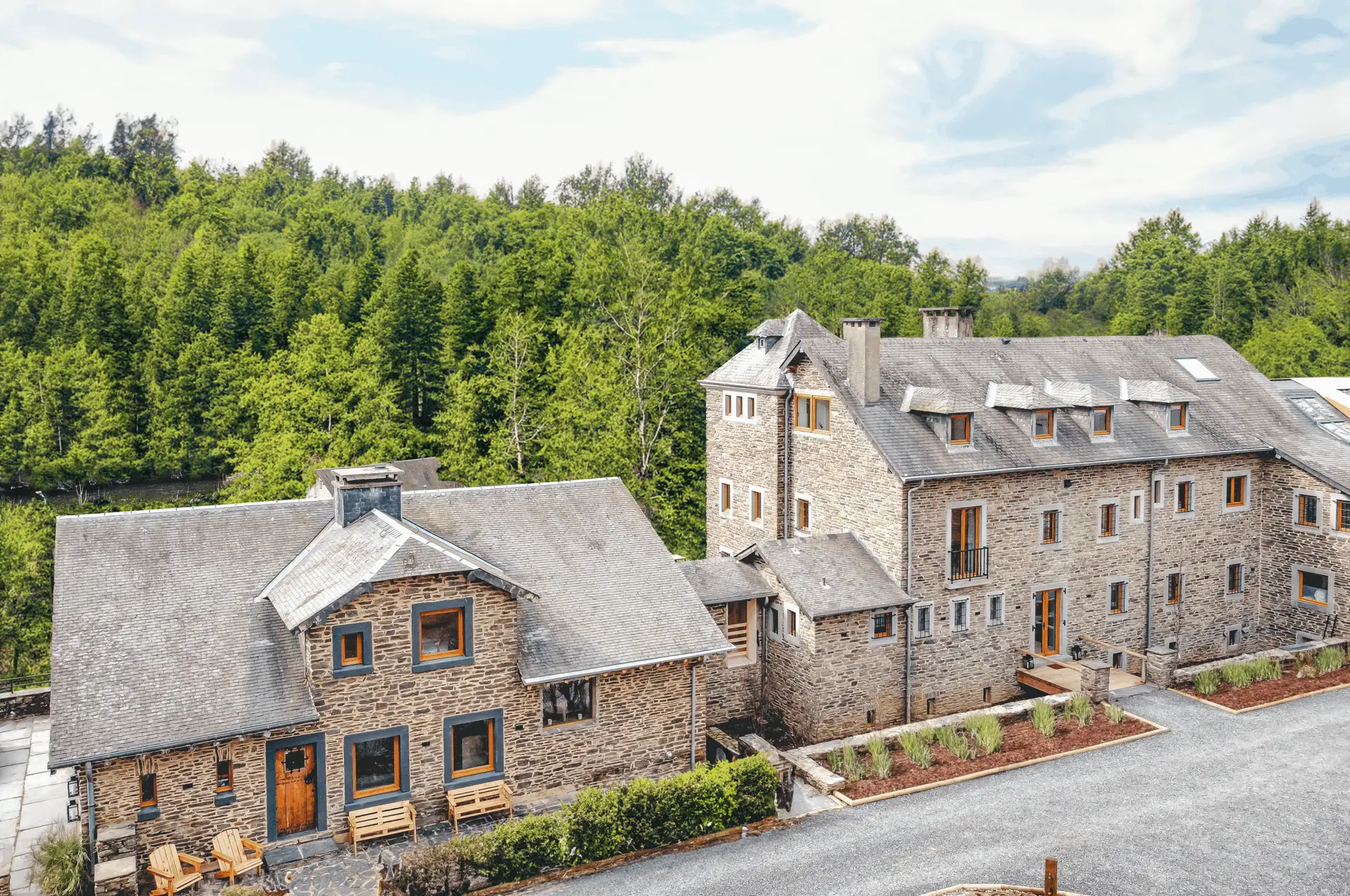
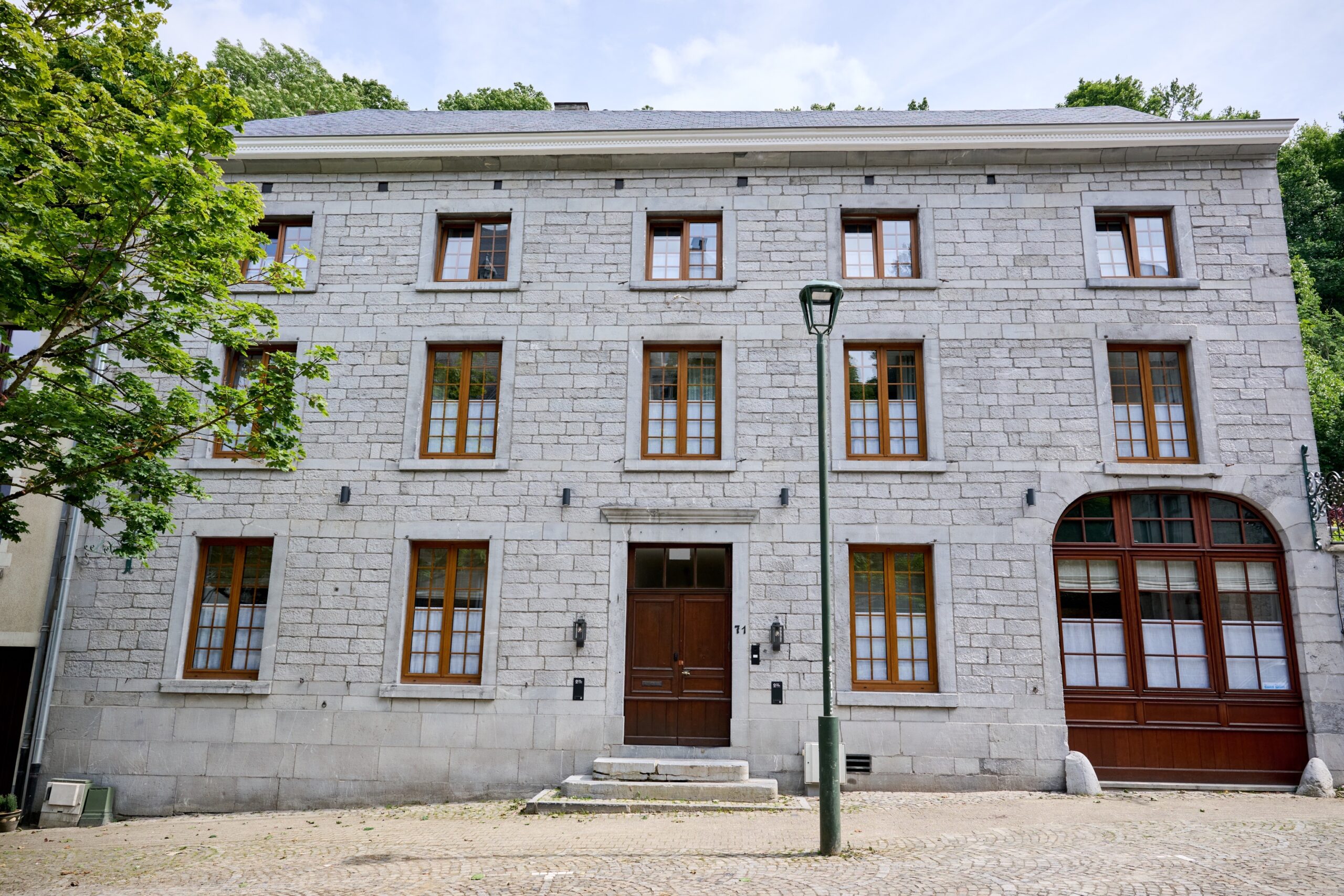
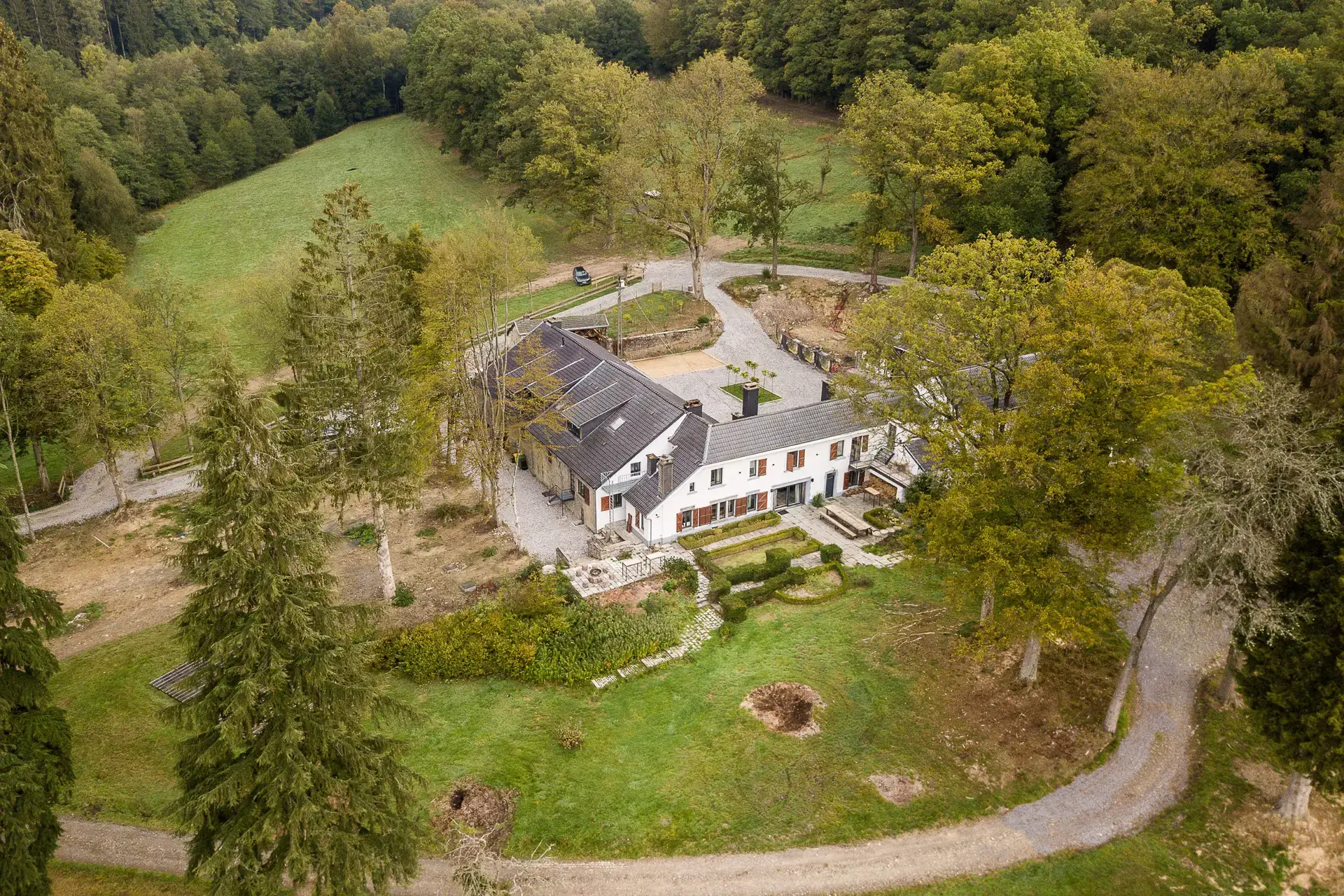
At Tero, we create one-of-a-kind team getaways, hosted in our own venues in Belgium and Luxembourg.

17

venues in Belgium and Luxembourg, from Ardennes lodges to day-event spaces

704

satisfaction surveys analysed in the first half of 2025 (see the report)

97%

of participants satisfied or very satisfied with the venue and facilities (rating of 4 or 5 out of 5)

“The participants were delighted and kept telling me how much they enjoyed both the venue and the professionalism of the teams.”

Jade, UCB

Set the objective before choosing the venue

A spectacular venue and a great activity cannot make up for an unclear purpose. Before booking anything, the organisers should be able to explain what ought to be different after the trip.

The question to ask

“By the end of this offsite, we want the team to…”

A few possible answers

… understand the three priorities for the year; have clarified who does what; know new colleagues better; have solved a shared problem; or leave with a joint action plan.

Six steps to build an offsite that works

  1. Define one main intention

    Align, decide, onboard, thank or reconnect: pick one priority verb to guide the whole programme.

  2. Invite the right people

    Involve the colleagues concerned by the objective and make it clear why each of them is there.

  3. Choose a realistic length

    One day works for a simple objective. Two days with an overnight stay leave more room for discussion and informal time.

  4. Find a venue that fits

    Access, bedrooms, equipped meeting rooms, breakout spaces, catering and a bad-weather plan B matter as much as the setting.

  5. Vary the pace

    Mix short sessions, an inclusive activity, meals, free time and an evening programme. A non-stop meeting is still a meeting, even in the countryside.

  6. Plan for what comes after

    Before leaving, name the decisions, the owners and the deadlines. Check in four to six weeks later.

A two-day programme

This outline balances thinking, activity and time together. It is deliberately spacious: the best conversations often happen in between.

Day 1

Step back and build connections

WelcomeObjective, expectations and ground rules for the stay.

Where we standWins, challenges and lessons learned.

Shared lunchA first breather with no agenda.

Team activityAn experience everyone can join.

Breakout sessionsPriorities or solving a problem.

Dinner and eveningWhen conversations stretch out.

Day 2

Decide and prepare what’s next

BreakfastAn unhurried start.

Sharing backPool proposals and useful tensions.

PrioritisingChoose what really matters.

CommitmentsAssign owners and deadlines.

LunchClose the stay around the table.

DepartureWith a clear, shared summary.

One venue, one table, one activity. One team to bring it all together.

Tell us your objective, group size and preferred dates. Tero helps you put together a team offsite that fits, in Belgium or Luxembourg.

Everything to know before planning a team offsite

How long does a team offsite last?

A team offsite usually lasts between one and three days. Two days with one overnight stay leave room for strategic thinking, a group activity and informal time, without keeping people away from work for too long.

What is the difference between a team offsite and team building?

Team building is a bonding activity lasting a few hours or a day. A team offsite is a broader experience that can combine work sessions, an activity, meals, informal time and accommodation.

Where to hold a team offsite in Belgium?

The Ardennes are ideal for immersive stays in the heart of nature. To limit travel fatigue, choose a venue less than two hours away for most participants. The choice also depends on accommodation capacity and how much of a change of scenery you are looking for.

Which activity should you choose?

The activity should be accessible to everyone and consistent with your objective: a collaborative challenge, a creative workshop, a mystery game, a cooking activity or an outdoor experience. Always plan a fallback in case of bad weather.

How do you measure the success of an offsite?

Assess the participants’ experience, what they learned and the changes you can observe. A survey right after the event can be followed by a review four to six weeks later to check whether decisions have been put into practice.

When should you book?

It is best to start several months ahead, especially for a large group, an overnight stay or full venue hire. First set the dates, the number of participants, the objective and the budget.

Download our brochure

Please enter your email address to access the brochure and discover all our ideas.

Your email address *
Consentement *