Make the strategy clear
A top-down presentation can inform people, but it does not guarantee ownership. The programme should help every participant connect the company vision to their role, decisions and priorities.


A corporate kick-off is no longer just about presenting the annual plan. It should make the strategy understandable, reconnect teams and turn priorities into concrete commitments.
A corporate kick-off is an event held to launch a new year, cycle or strategic project. It brings colleagues together around a shared direction, explains the priorities and creates the energy needed to take action. It generally combines presentations, workshops, a group activity, catering and informal time.
A kick-off can last half a day, a full day or take the form of a residential seminar when the objective calls for more time and perspective.
These formats can complement one another, but they do not answer the same question. A kick-off connects the company’s vision with what teams need to understand, decide and put into practice during the year.
| Format | Central question | Typical duration | Expected outcome |
|---|---|---|---|
| Kick-off | Where are we going and how will we move forward? | Half a day to two days | A shared direction, understood priorities and identified commitments |
| Seminar | What do we need to work on or decide? | One to several days | Reflection, decisions, learning or an action plan |
| Team building | How can we work better together? | A few hours to one day | Stronger relationships through a shared experience |
| Company party | What do we want to celebrate? | One evening or one day | Recognition, conviviality and a shared memory |
A successful kick-off can include a seminar session, a team-building activity and a celebration. The consistency between these sequences matters more than how many are included.
Teams operate in an environment shaped by hybrid work, accelerating technology and competing priorities. A new-year gathering must therefore create more than a temporary burst of enthusiasm.
A top-down presentation can inform people, but it does not guarantee ownership. The programme should help every participant connect the company vision to their role, decisions and priorities.
When work is spread across offices, video calls and messaging platforms, meeting in person puts faces, conversations and trust back behind shared projects.
A kick-off becomes useful when teams leave with a few clear choices: what matters, what is changing, who will do what and when the first progress review will take place.
Tero brings together event expertise, venues, team-building activities and catering to create a coherent new-year launch, from the initial objective to the day itself.
of experience in team facilitation and the organisation of corporate events
team-building activities to match the experience to the objective and group profile
locations in Belgium and Luxembourg, from event houses to lodges with accommodation
A good kick-off does not try to say everything. It selects the message the team needs to understand, the experience it needs to share and the action it needs to take next.
The venue, theme and entertainment come after the objective. Before making any booking, define what should be different when participants return to work.
“At the end of this kick-off, we want every colleague to understand…, feel… and commit to…”
Align teams around three priorities, launch a transformation, welcome new colleagues, improve cooperation between departments or rebuild momentum after a demanding period: a precise intention makes every subsequent choice easier.
Replace “motivate the team” with a tangible result: understand the priorities, decide on a plan or create new connections across departments.
Consider roles, languages, working habits, accessibility needs and travel constraints to design an inclusive experience.
One sentence should summarise the direction for the year. Every presentation, workshop and activity should reinforce that common thread rather than dilute it.
Combine short sessions, small-group discussions, a shared activity, meals and breaks. Attention cannot be sustained through a succession of presentations.
Accessibility, capacity, acoustics, natural light, breakout spaces, technology, catering and a contingency plan matter just as much as visual impact.
A team-building activity or shared meal should support the kick-off’s purpose. Leave informal time for conversations to develop as well.
Plan the summary, owners, deadlines and review meeting. The kick-off starts the momentum; the following weeks prove whether it exists.
This framework combines vision, participation and cohesion without turning the day into a marathon. The timings are indicative: the number of participants and the objective determine the final pace.
WelcomeCoffee, reconnection and context.
OpeningThe 2027 direction, told through one clear message.
PrioritiesWhat is changing, what continues and why.
WorkshopsTranslate the direction into each team’s daily work.
LunchA first pause that encourages conversation.
Shared experienceAn inclusive activity linked to the objective.
DebriefConnect the experience to everyday work.
CommitmentsDecisions, owners and first deadlines.
ConclusionRestate the three messages to remember.
Informal gatheringContinue the conversations without an agenda.
The atmosphere on the day is a signal, but not a sufficient measure. Assess what participants understood, what they decided and what was actually implemented.
Ask participants to restate the priorities and their team’s role before leaving the event.
Look at the diversity of voices, the quality of the workshops and the space created for different profiles.
Every important decision should have a named owner, a first deadline and a method of follow-up.
Review progress on the commitments and any obstacles encountered during a short follow-up meeting.
Gather concise feedback on the venue, pace, content, inclusion and perceived value.
The right setting depends on the group size, duration and the energy you want to create. A one-day venue near Brussels, a residential stay in nature or a gathering by the sea: Tero matches the venue to the scenario.

A flexible venue that brings plenary sessions, workshops, catering and a team activity together in one place.
Discover Waterloo ↗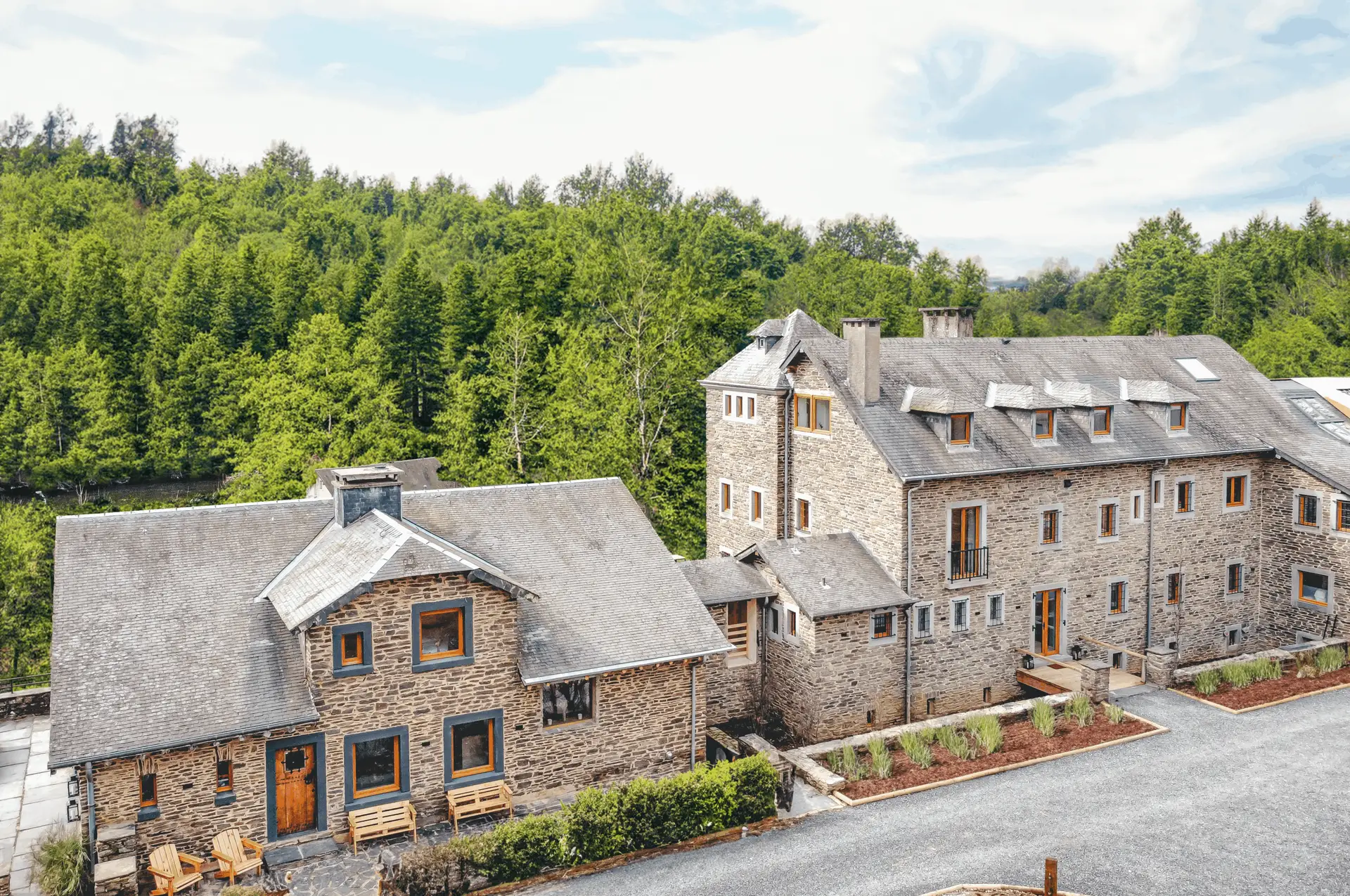
A residential retreat for stepping back, working in depth and extending the conversations.
Discover Herbeumont ↗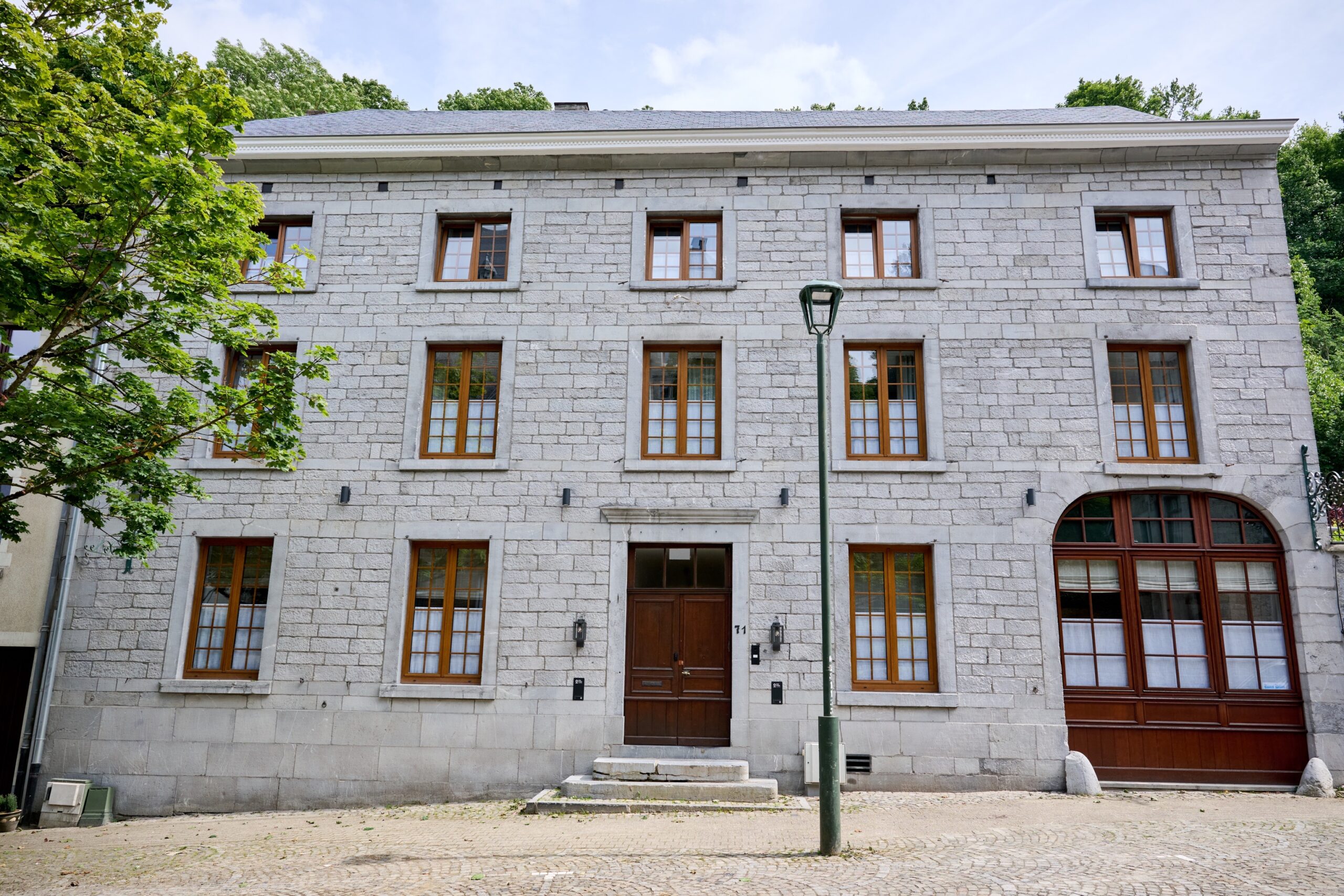
An intimate format for teams looking for calm, proximity and focused working time together.
Discover Rochefort ↗
The sea and a more festive energy for a high-impact new-year launch or a larger group.
Discover Knokke ↗The programme is stronger when every element tells the same story. A natural setting can support long-term thinking; a flexible urban venue suits a fast-paced day; a team-building activity turns a message into a lived experience.
Catering also plays a role. Lunch, coffee breaks and drinks are spaces for conversation in their own right. With Teroir catering, Tero can integrate local, seasonal food into the complete project.
Before adding a session, ask: “How does it help the team understand the direction, get to know one another or take action afterwards?”
Share your objective, group size, preferred dates and required level of support. Tero will help you create a coherent 2027 kick-off in Belgium or Luxembourg.
A kick-off brings colleagues together around a new direction, explains the priorities and creates shared momentum. It is particularly useful at the start of a year, project, transformation or new strategic cycle.
January and February are the most natural months for launching the year, but a kick-off can also mark a new quarter or transformation. Start planning several months ahead if you expect a large group, exclusive use of a venue or an overnight stay.
Half a day suits a focused message. A full day makes room for workshops, an activity and informal time. Two days with accommodation work well when the team needs deeper reflection or when a dispersed team needs to reconnect.
The budget depends on the number of participants, venue, duration, technology, catering, activities and any accommodation. A precise brief allows Tero to propose options that match your objective and budget.
A kick-off aligns teams around a vision and priorities. Team building strengthens relationships through a shared activity. A team-building activity can be part of the kick-off when it supports the day’s message and objective.
Measure understanding of the priorities, participation, clarity of commitments and the quality of the experience. Add a review after around 30 days to the immediate feedback so you can check progress on the decisions made.